Understanding the psychological triggers that drive gambling behavior in Pinup casino enthusiasts
The Allure of Gambling: Understanding the Psychological Hooks
The world of gambling, particularly in online casinos like Pinup, is enticing for many individuals. This attraction stems from a blend of excitement, thrill, and the potential for winning. Psychological triggers play a significant role in drawing players into the gambling experience. Many enthusiasts find themselves captivated by the sensory stimulation that a vibrant casino environment offers, such as bright lights, engaging sounds, and the anticipation that accompanies placing a bet. Players can enhance their experience further with the https://pinup-online-casino.ng/app/ for easy access to games.
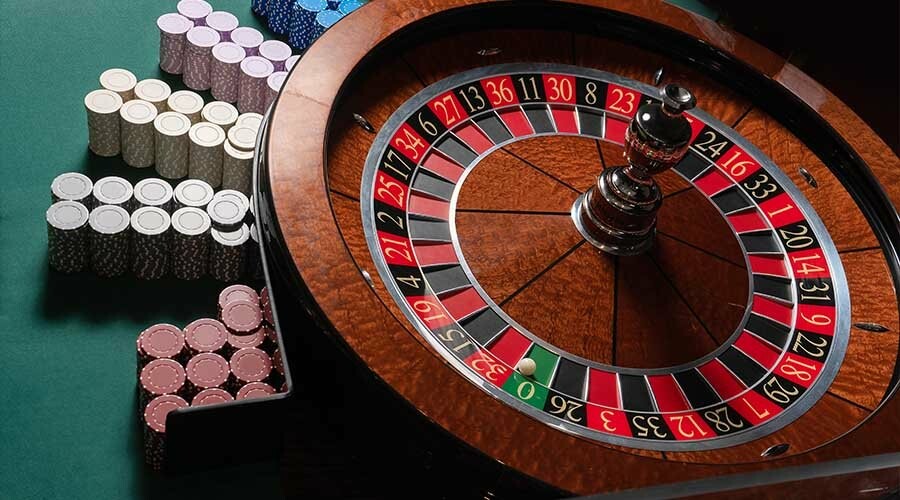
Another powerful psychological factor is the concept of reward. Human brains are wired to seek out rewarding experiences, and gambling provides an immediate sense of gratification when wins occur. Even small victories can trigger the release of dopamine, a neurotransmitter associated with pleasure and satisfaction, reinforcing the behavior. The cycle of chasing wins can lead to a compelling urge that drives individuals to continue playing, often even when losses occur.
Moreover, the aspect of unpredictability in gambling can amplify its appeal. The uncertainty of outcomes creates a sense of suspense that many players find exhilarating. This unpredictability keeps players engaged, as the thrill of potentially hitting a jackpot can outweigh the risk of loss. Thus, understanding these psychological hooks is crucial for both players and operators to foster a responsible gaming environment.
The Role of Cognitive Biases in Gambling Behavior
Cognitive biases significantly influence gambling behavior, often leading players to make irrational decisions. One such bias is the illusion of control, where individuals believe they can influence the outcome of a game through skill or strategy. This mindset is prevalent among poker players and those engaging in games that blend luck and skill. Players may overestimate their abilities, leading to increased gambling frequency and larger bets.
Another common bias is the gambler’s fallacy, where individuals believe that past outcomes affect future results. For instance, if a slot machine hasn’t paid out recently, a player might feel that a win is “due,” despite each spin being independent of previous ones. Such misconceptions can lead to irrational betting patterns and increased financial risk, highlighting the need for greater awareness of these cognitive traps.
Finally, confirmation bias can also come into play, where players focus on results that validate their beliefs while ignoring contrary evidence. This could mean recalling past wins to justify continued play, despite losses. By understanding these cognitive biases, players can better navigate their gambling experiences and reduce impulsive decision-making, leading to a healthier approach to gaming.
The Influence of Social and Environmental Factors
Social influences play a vital role in shaping gambling behavior, particularly in the context of online platforms like Pinup. The sense of community among players can enhance the enjoyment of gambling experiences. Social interaction, whether through chats or forums, fosters a shared excitement that can drive individuals to gamble more frequently. This dynamic can create a feeling of belonging, which can be both beneficial and detrimental depending on the context.
Additionally, the availability of gambling options influences behavior. Online casinos often employ marketing strategies that capitalize on social proof, showcasing player testimonials and highlighting big wins. Such tactics can create a perception that gambling is a popular and socially acceptable activity, further encouraging participation. Advertisements featuring luxurious lifestyles and successful individuals can also glamorize gambling, attracting more enthusiasts.
Peer pressure can also impact gambling habits, especially among younger players. The desire to fit in or impress friends can lead to risky behaviors, including excessive betting or gambling in moderation. Understanding these social dynamics is essential for both players and operators, as they contribute to the broader landscape of gambling behavior and highlight the importance of promoting responsible gambling practices.
The Emotional Underpinnings of Gambling Addiction
Gambling can serve as an emotional escape for many individuals, offering relief from stress, anxiety, or other life pressures. The thrill of playing can temporarily distract from personal challenges, creating a reliance on gambling for emotional regulation. This escape mechanism can evolve into a pattern of behavior that leads to addiction, as players seek the rush that comes from the betting experience.
The emotional highs associated with winning can further perpetuate this cycle. Many players experience a euphoric sense of achievement when they win, which can overshadow the risks involved. This emotional rollercoaster—rising with wins and plunging with losses—can create a compelling narrative that reinforces gambling behavior. Players may find themselves caught in a cycle where emotional states dictate their gambling patterns.
Recognizing the emotional dimensions of gambling is crucial for developing effective intervention strategies. Support systems that address emotional and psychological needs can be pivotal in helping individuals manage their gambling behaviors. By promoting healthy coping mechanisms and emotional awareness, players can find more sustainable avenues for stress relief and fulfillment, reducing the likelihood of falling into addictive patterns.

Responsible Gaming and the Pinup Casino Experience
Pinup Casino recognizes the significance of promoting responsible gaming practices among its users. Understanding the psychological triggers behind gambling behaviors is essential for creating an environment that prioritizes player well-being. By offering resources and support, the platform aims to educate users about the risks of gambling and encourage them to set limits on their play. This proactive approach helps create a more balanced gambling experience, where enjoyment does not come at the expense of financial stability.
The platform also encourages the integration of self-assessment tools and support networks, enabling players to monitor their gambling habits actively. These resources can help individuals identify potential problems early on, allowing them to seek help before issues escalate. By fostering a culture of awareness and responsibility, Pinup Casino aims to support its users in making informed decisions while enjoying their gaming experiences.
In conclusion, understanding the psychological triggers that drive gambling behavior is crucial for both players and operators. By recognizing the various factors at play, including cognitive biases, social influences, and emotional drivers, players can engage with gambling more responsibly. Pinup Casino is committed to ensuring its community thrives in a safe and enjoyable environment, paving the way for a sustainable gambling culture that prioritizes player welfare. Players can easily manage their time and enjoyment through the Pin Up Application Download.
